Alvik – The educational Robot
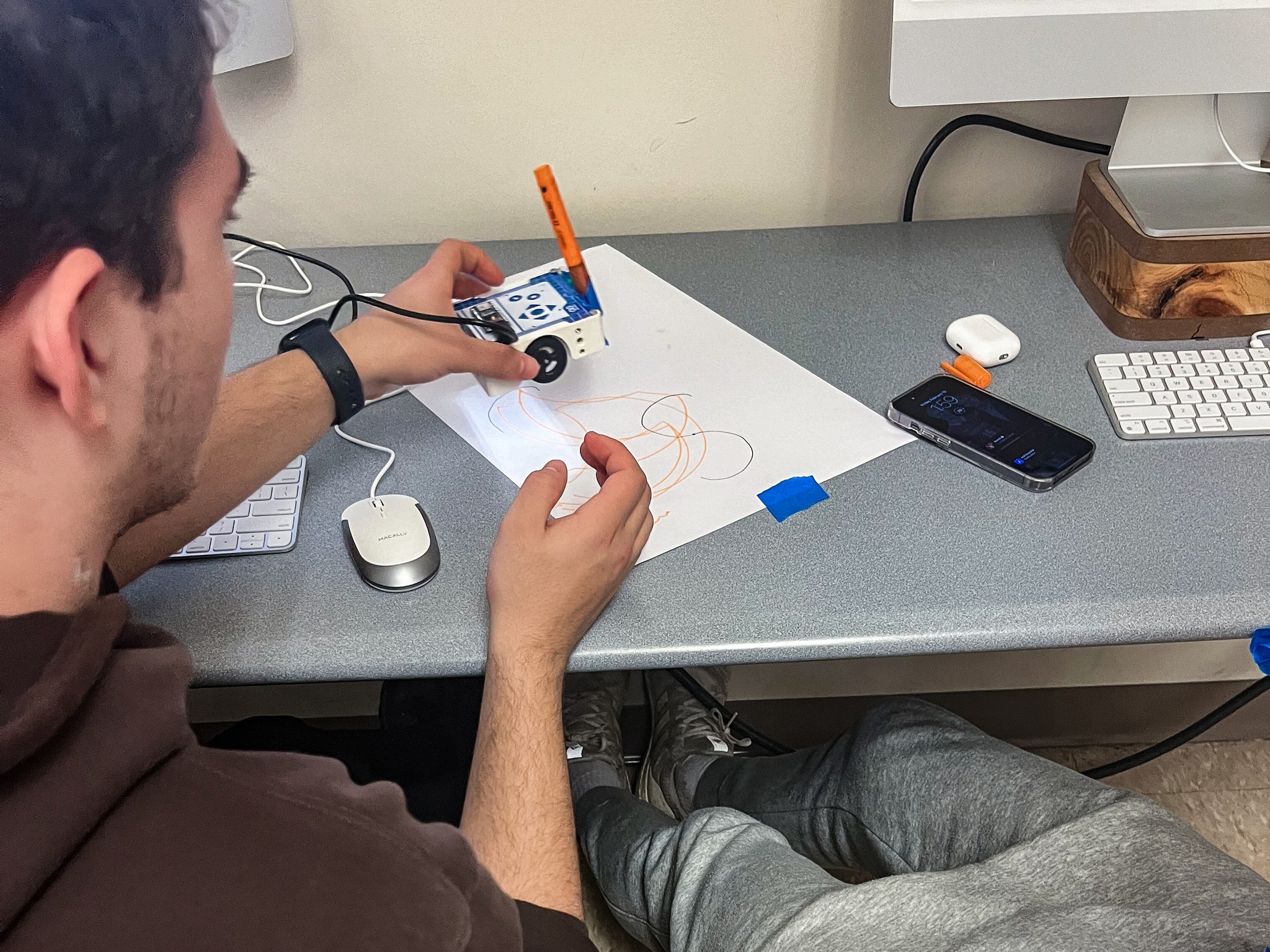
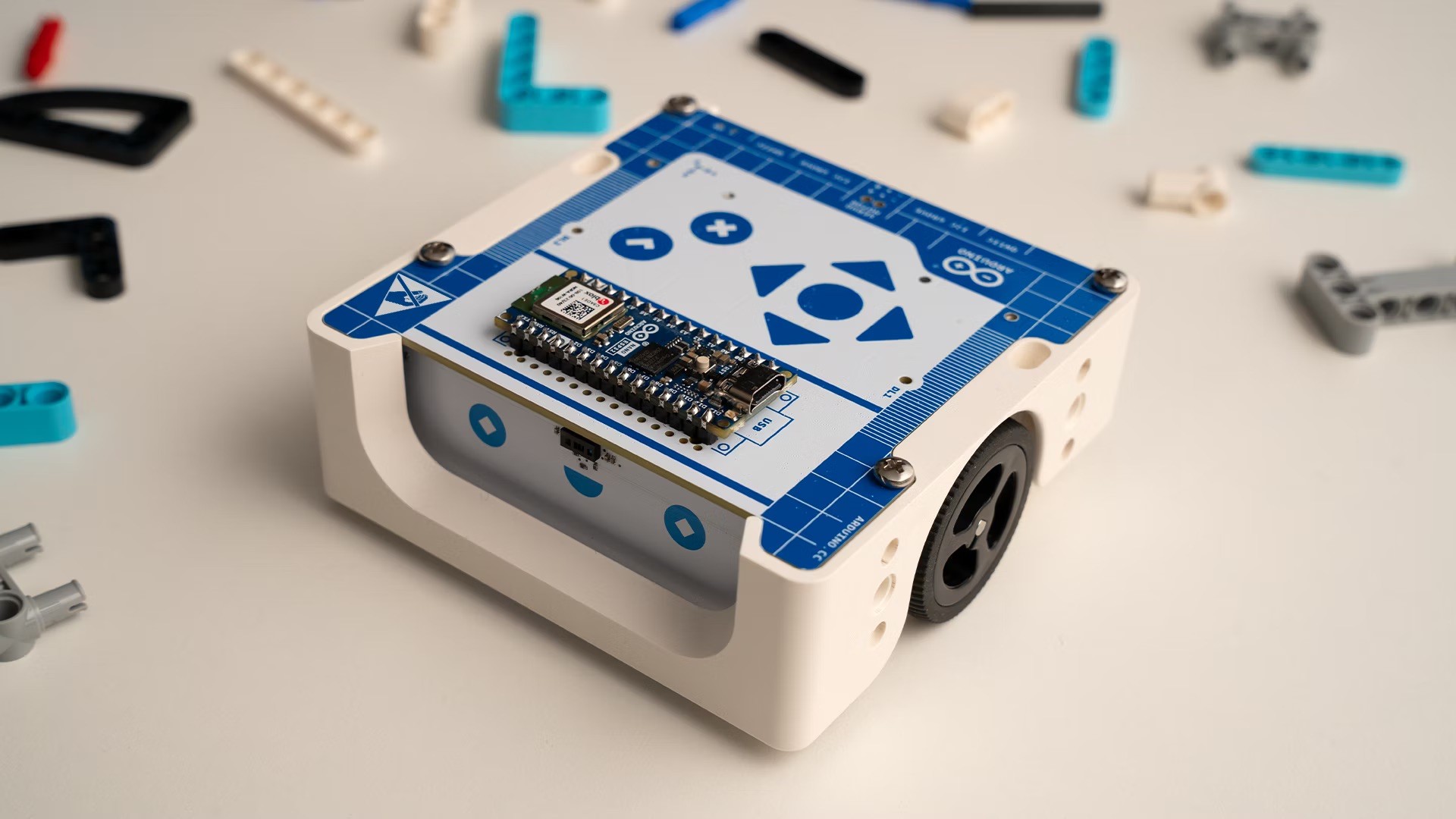
Arduino wanted to launch its first educational robot car, one simple enough for beginners, but powerful enough to grow with advanced users. My mission was to define what this robot should be: its core features, classroom use cases, and content strategy. The question was: How do we design a robot that works for both a high school student’s first steps and a university team’s advanced experiments?
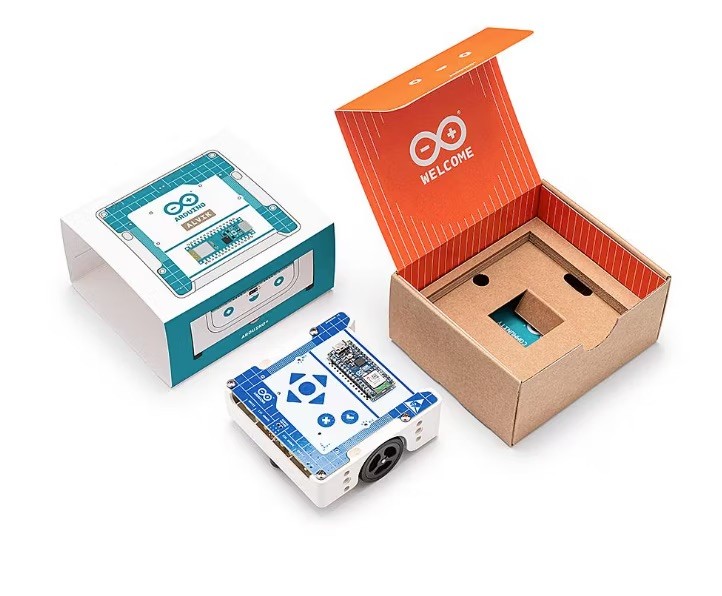
My approach was to use a selection of ideation methods including storymapping and co-creation workshops to help define the product and its features. Then a prototype was tested with two user groups, one advanced and the other beginner. The insights were shared with the product and content teams to be implemented in the final design. The Arduino Alvik was shortlisted for the best Robotics Device BETT Award.
Foundation – Storymapping
Storymapping workshops
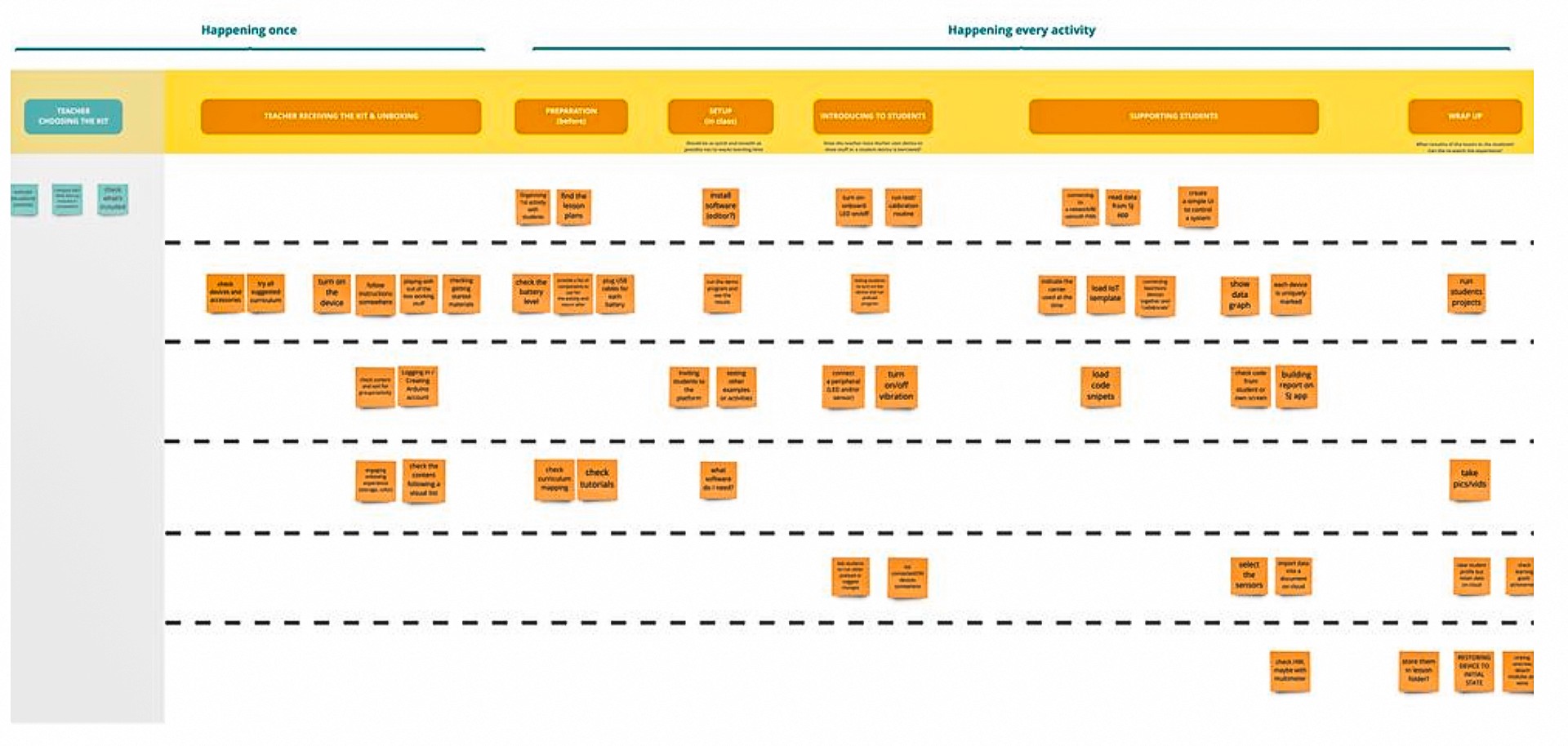
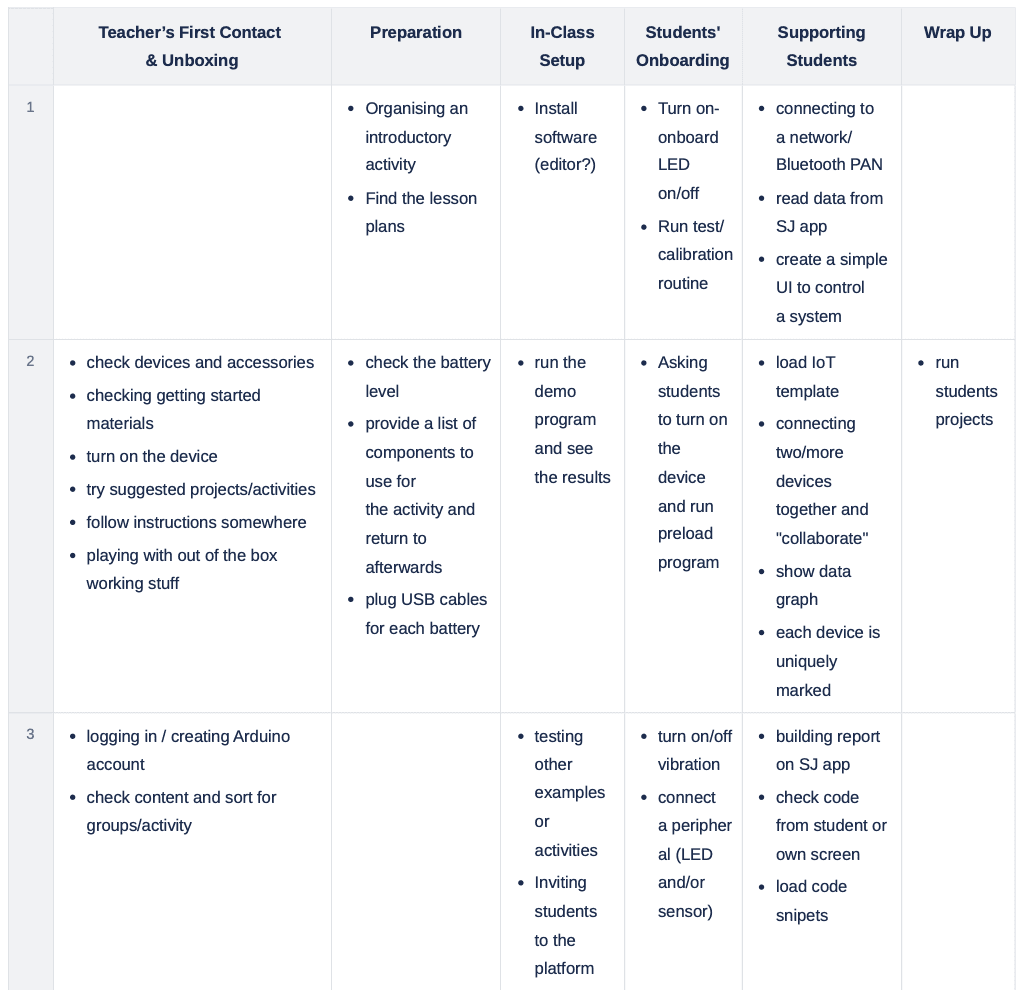
Storymapping was chosen because the team lacked a common vision. Its structure: brainstorming, voting, and structured debate, enabled alignment quickly and efficiently
I designed and facilitated two storymapping workshops:
Workshop 1
- 1 hour session
- Participants: Business Unit Lead, Product Owner, Creative Tech Lead, Product Designer.
- Outcome: Internal alignment on technical, design, market, and sales needs.
- Result: A prioritised hierarchy of features and actionable steps toward a Minimum Viable Product (MVP).
workshop 2
- 2 hours session
- Participants: Internal stakeholders + external educators (professors, high school, vocational teachers).
- Outcome: Shared understanding of teachers’ and students’ needs.
- Result: A detailed report capturing essential requirements in sensors, add-ons, software, and content.
Research Through Design
Co-creation with educators
- Participants: 4 teachers across 3 key markets (USA, UK, Spain).
- Profiles: Beginner, intermediate, and advanced.
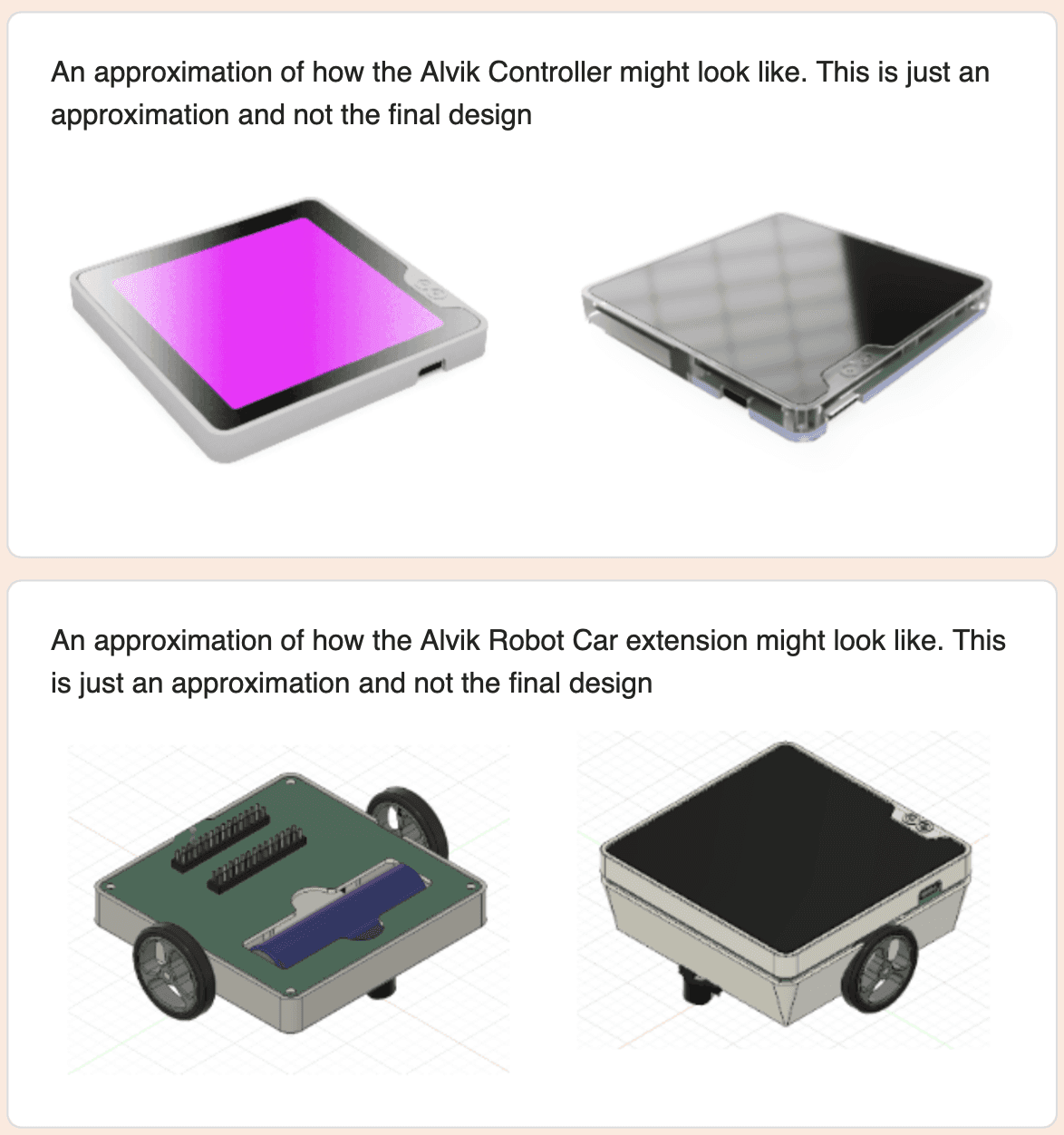
- Method: Teachers were given early product renderings and asked to design 3 projects with the imagined Alvik over two weeks.
Why this method?
- Teachers could ideate in their own time (important given busy schedules).
- It captured authentic classroom contexts and use cases.
- It covered a wide range of user profiles without heavy cost or logistics.
data analysis
- The data : 12 project concepts + 4 follow-up interviews.
- The challenge: communicating this volume of qualitative data to the product team in a digestible format.
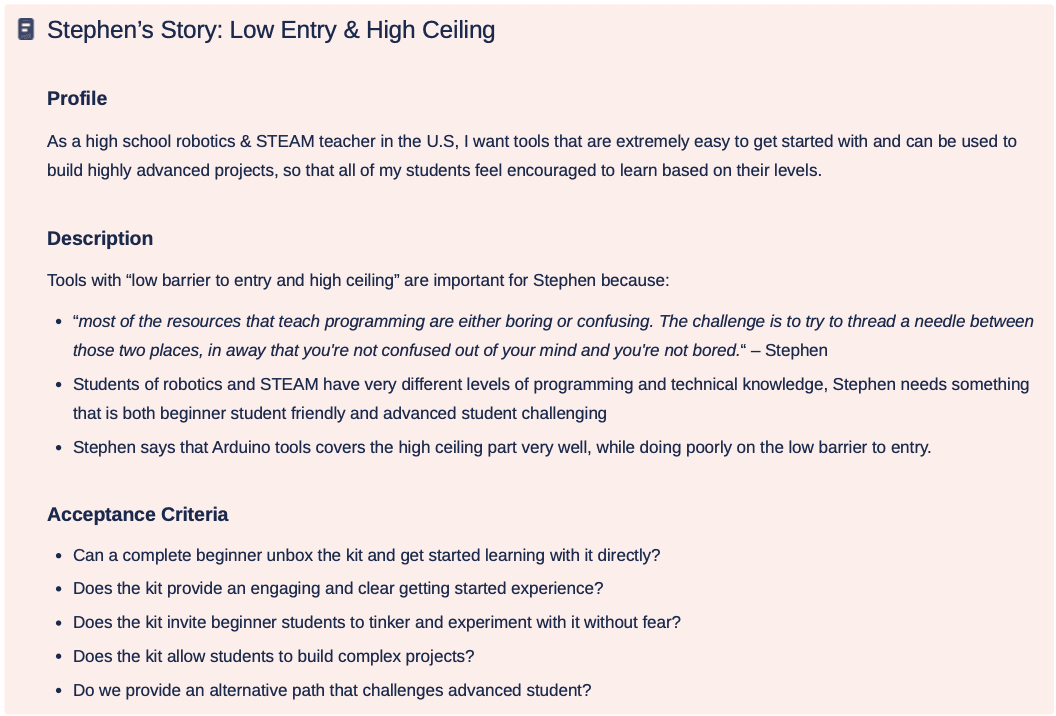
- The Solution: I transformed findings into User Stories, narrative formats that made teachers’ needs more relatable and actionable.
Testing
Testing Groups
EXPERTS
- The Possible Zone Team – MA,USA
- 4 experiences tech teachers
- 4 hours
- Limited instructions
- First interaction on the day of testing
- Observation & group discussion
SEMI-ADVANCED
- TUFTS University – MA,USA
- 15 engineering students
- 1 day
- Instructions by professor
- Professor received prototype 1 week prior to testing for preparation
- Observation and individual interviews with students and professor
BEGINNERS
- Hanover High School – NH,USA
- 18 high school students
- 3 days
- Following Arduino's content
- Teacher received prototype 1 week prior to testing for preparation
- Observation, students' presentation of their work and feedback, and teacher interview
Experts & SEMI-ADVANCED Users
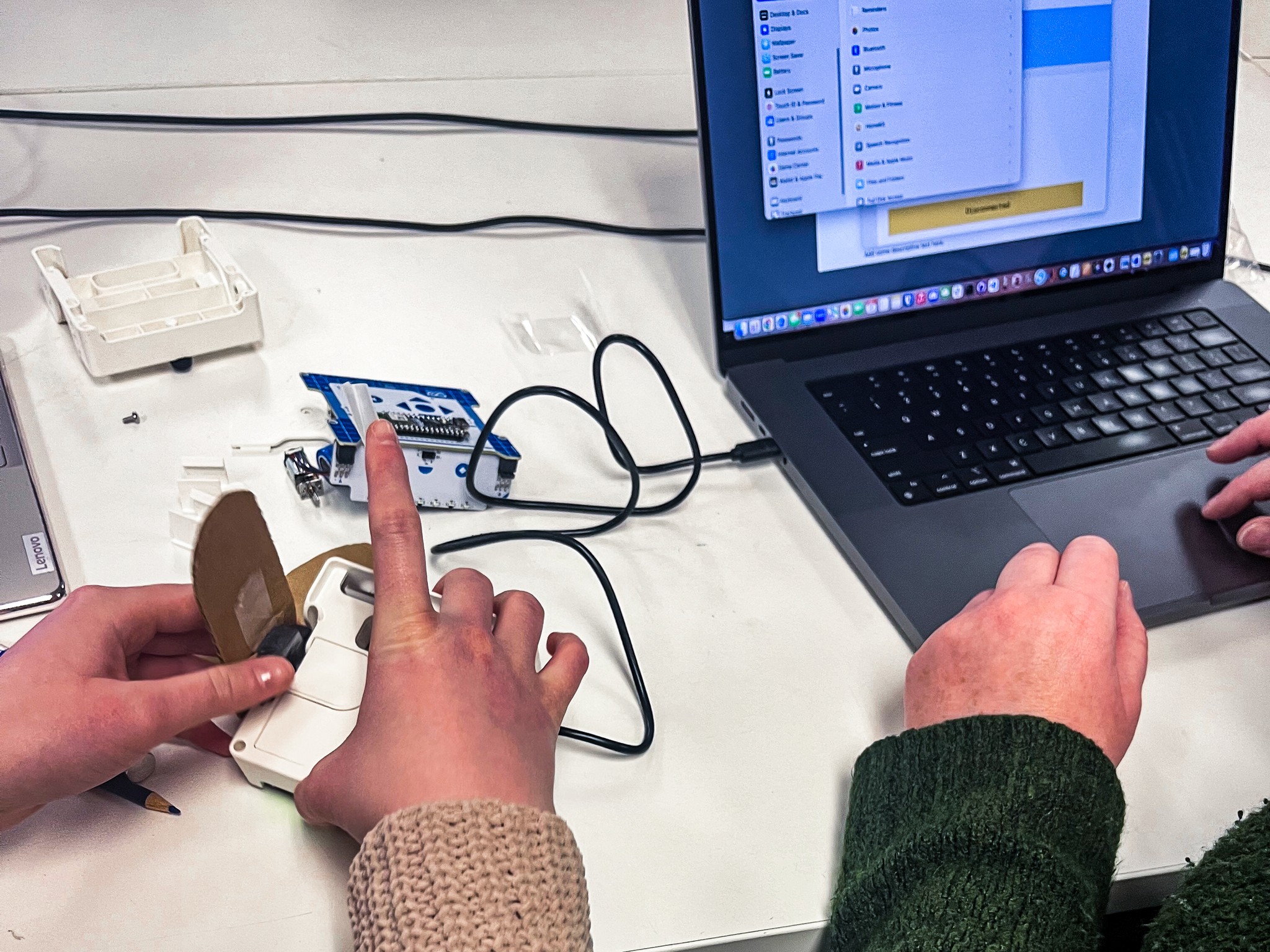
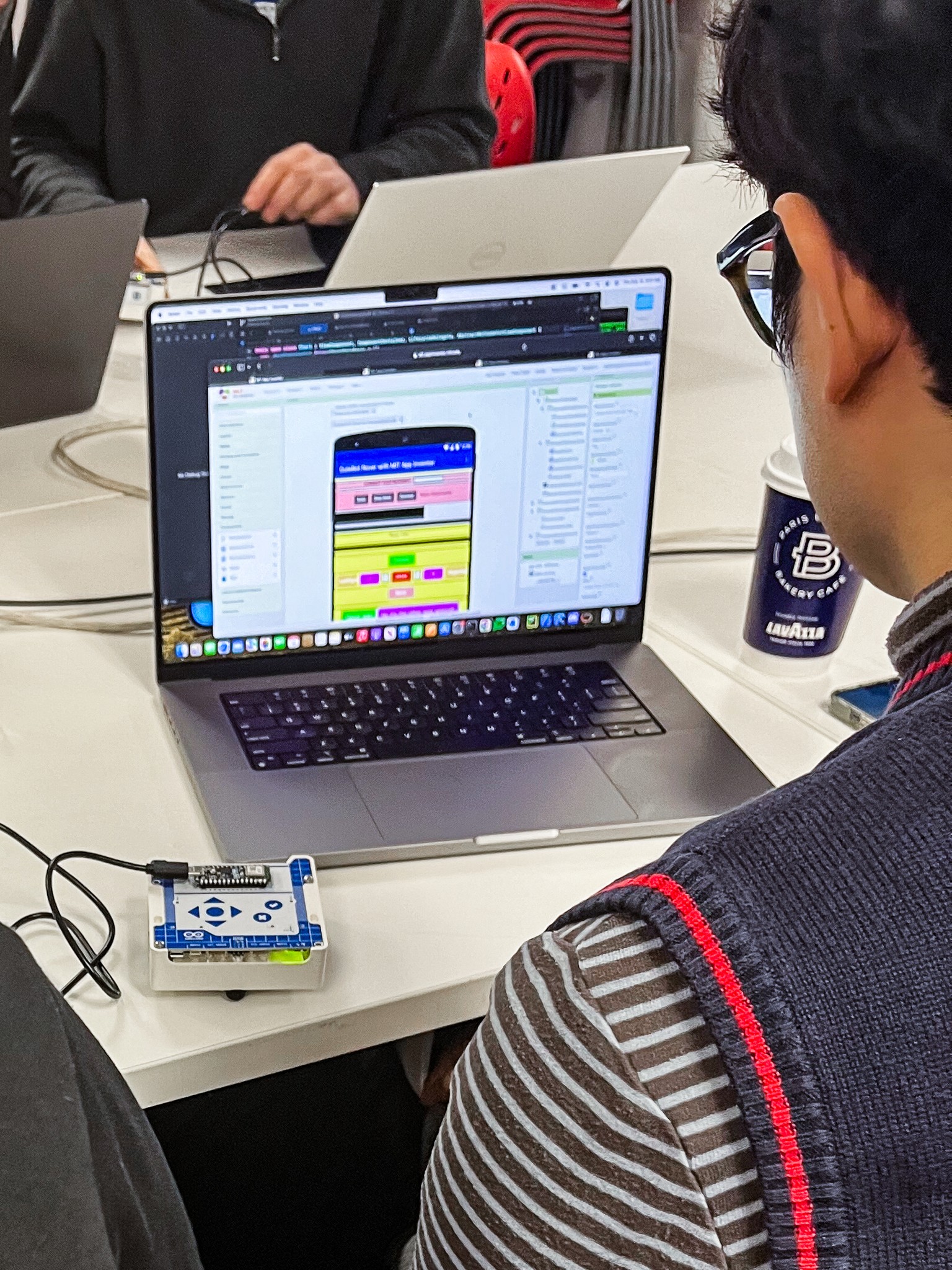
The testing showed that advanced users were able to achieve complex applications with Alvik, including connecting it with ChatGPT, adding additional sensors and changing its structure. Few minor technical limitations were discovered and forwarded to the engineering team, but beyond that, the device was successful in catering to the this groups needs.
Beginner Users
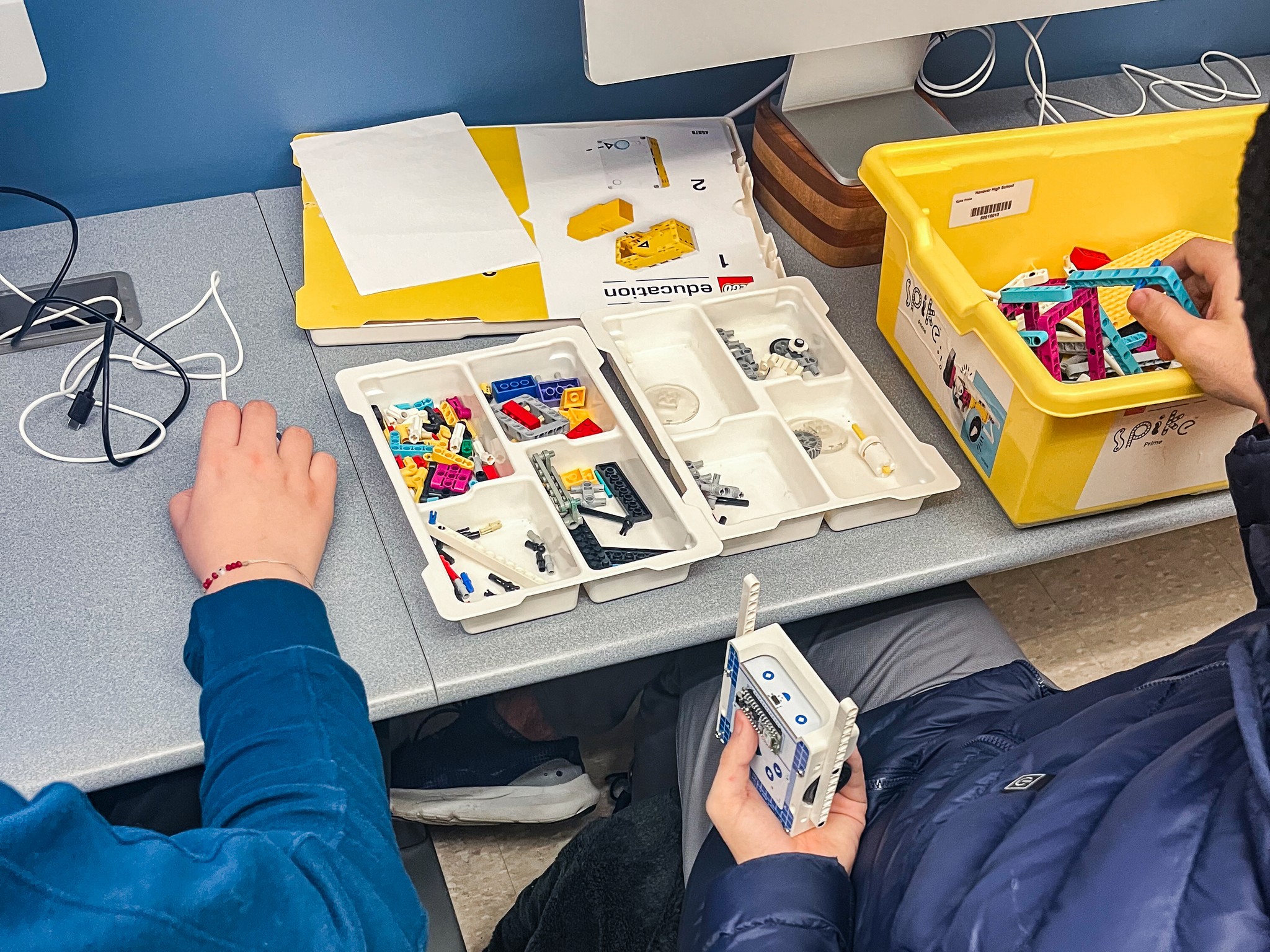
The beginner students didn't shy away from experimenting beyond the content which shows that they passed the fear level which is a good indication for the product's success being beginner friendliness. However, the new MicroPython IDE environment and Arduino's own IDE were proven to be challenging and not very beginner friendly, an issue we didn't face with advanced users as most of them chose to use a third-party IDE or were used to Arduino's IDE.
Outcomes
Voices from the Field
“My students have always loved Arduino because it unlocks their creative potential, and Alvik is no exception… It’s an absolute game-changer.”
Austin G., STEAM Teacher, Spain
“The versatility and comprehensiveness of the Alvik robot… stimulate students’ creativity, enabling them to learn through direct and engaging experiences.”
Sara F., Informatics Teacher, Italy